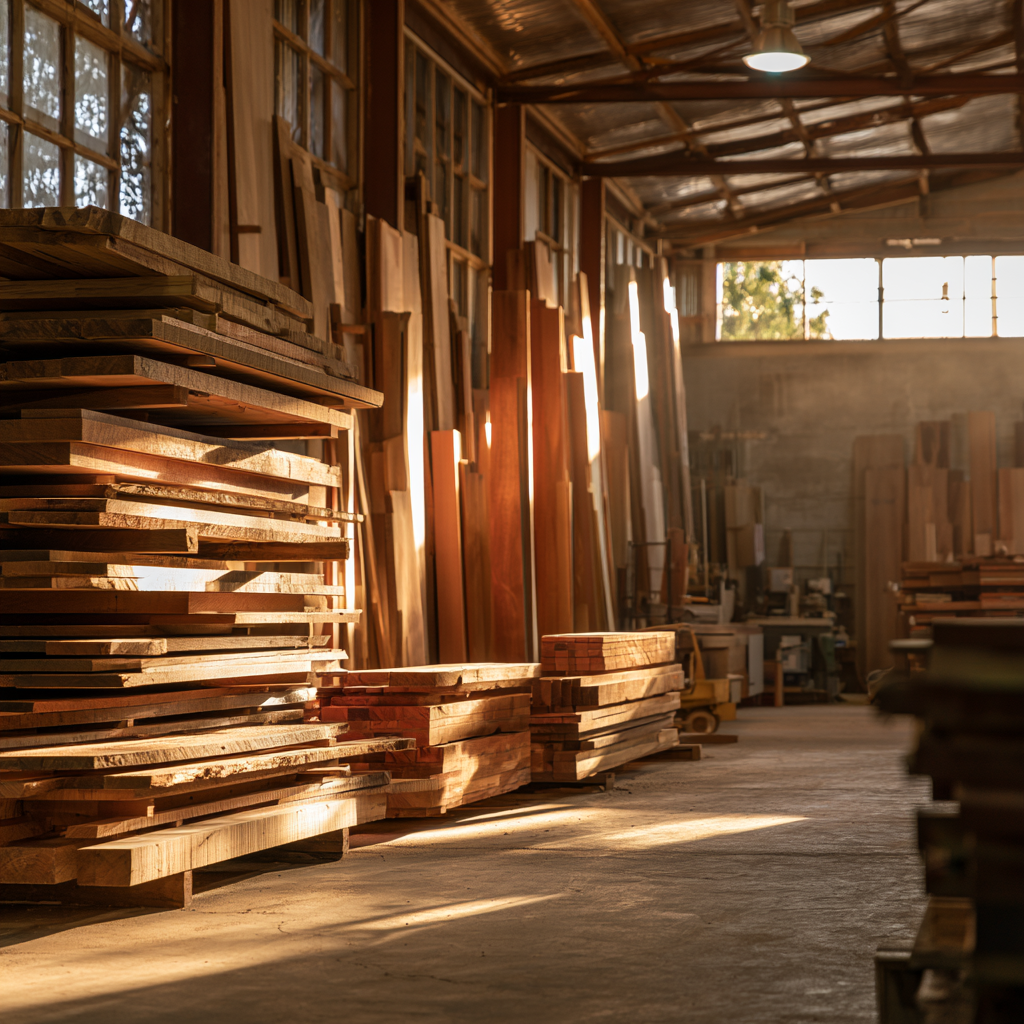
Thirty shelves at a time, three days a month.
One carpenter, one Canberra workshop. The batch is why there is a wait, and the wait is why every shelf comes out the same.
The month
Repeats on the same rhythm, every monthUntil the last Monday
Orders accumulate until the last Monday of the month, 8pm. Timber is pulled and set out as they land.
Production
Three full days. Every shelf in the batch is docked, machined, sanded and oiled in the same session.
Dispatch
Packed and collected in one run on the Friday. Tracking goes out the same afternoon.
Six operations
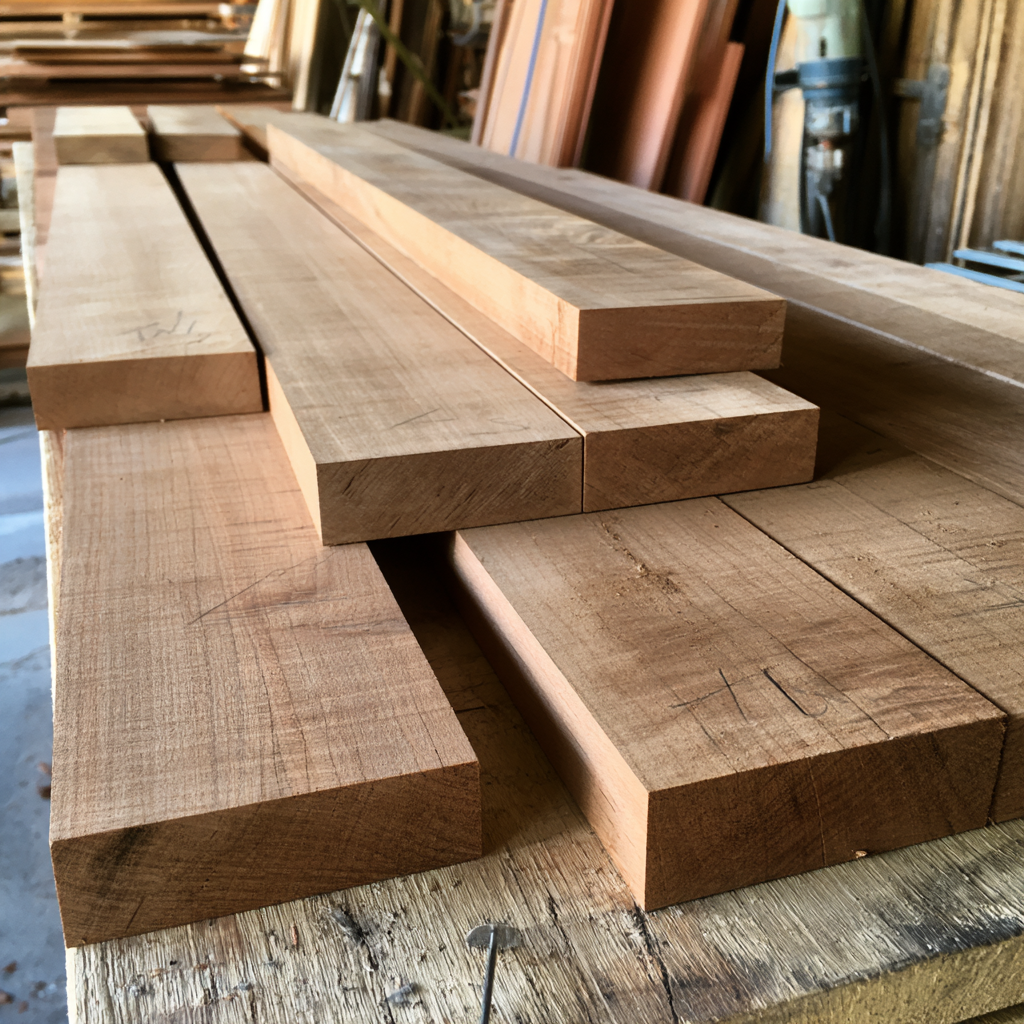
Select and dock
Boards are pulled off the rack, laid out, and cut to your length with the figure facing the way it should.
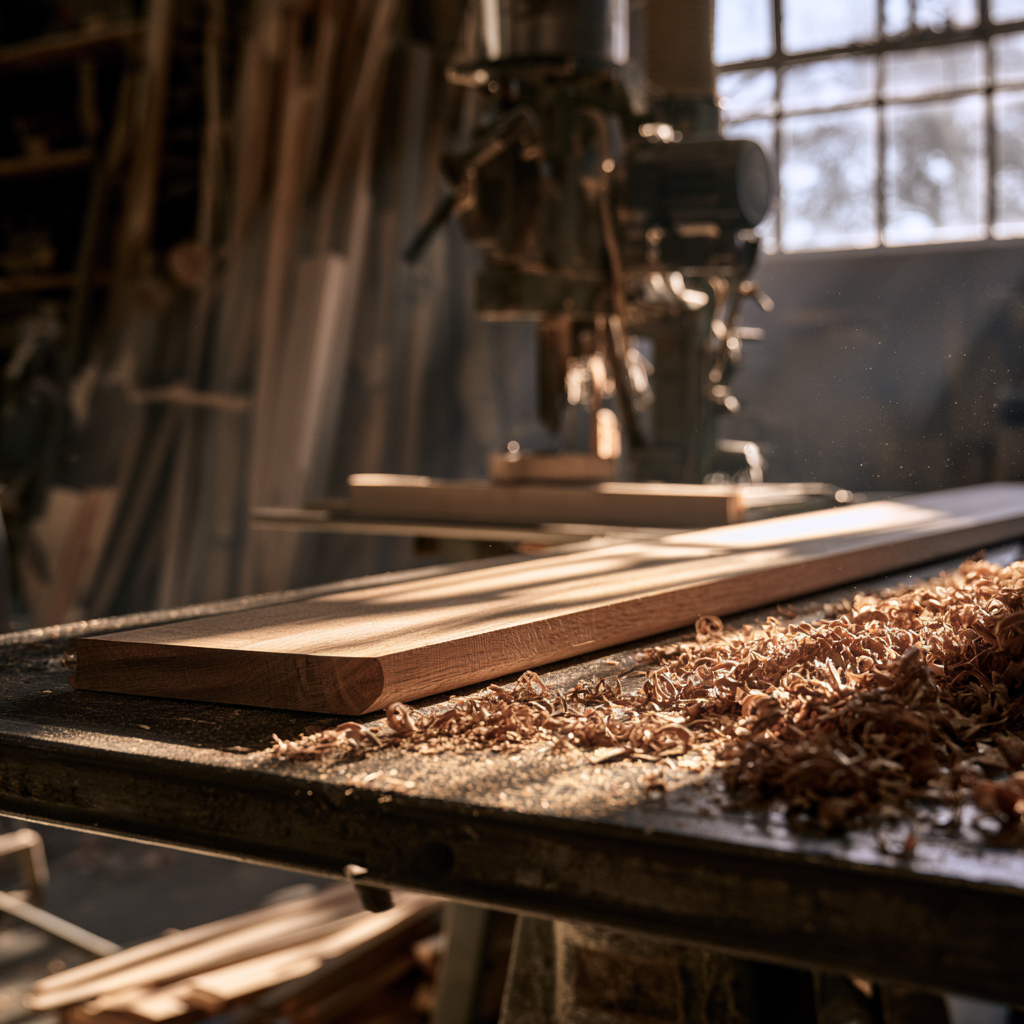
Machine and profile
Thicknessed, straightened, then the edge profile and corner radius are run in one pass.
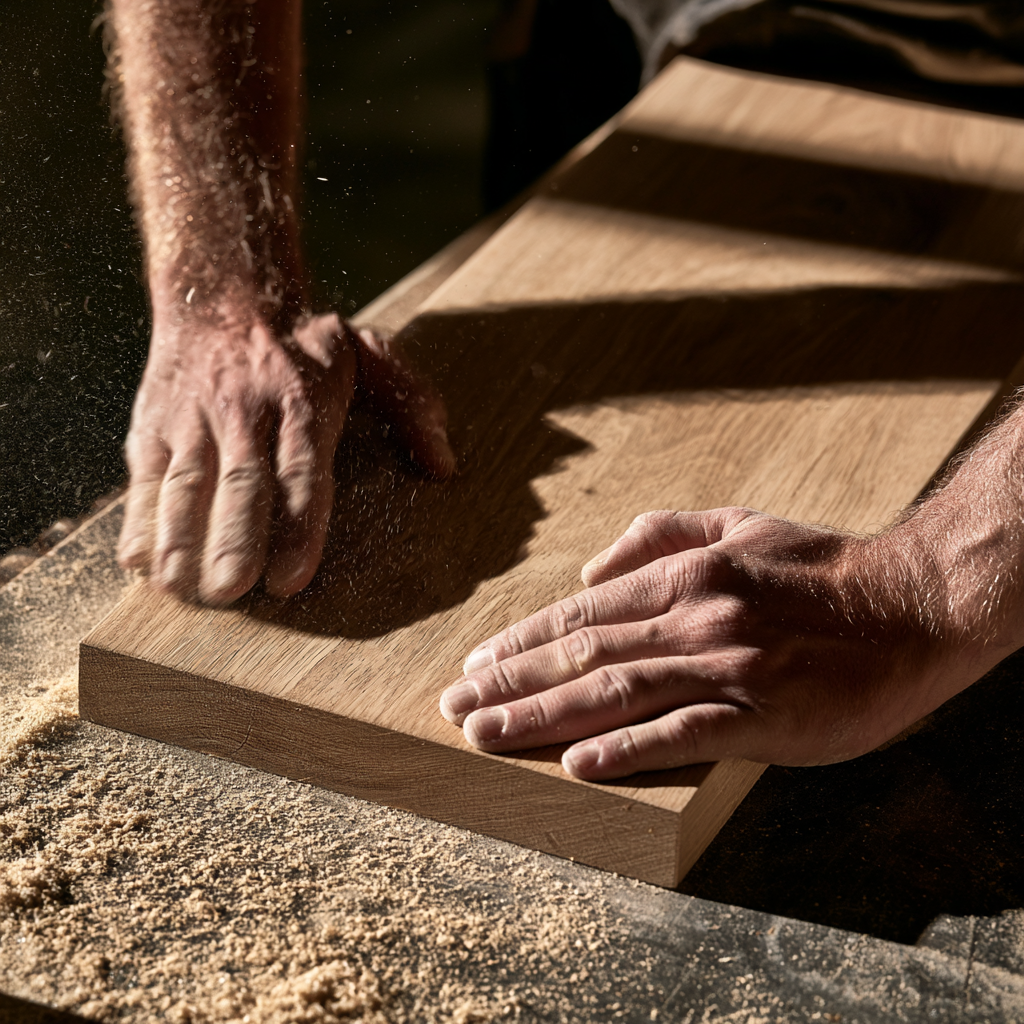
Sand
Three grits to 240, by machine then by hand along the grain. Every edge broken by hand.
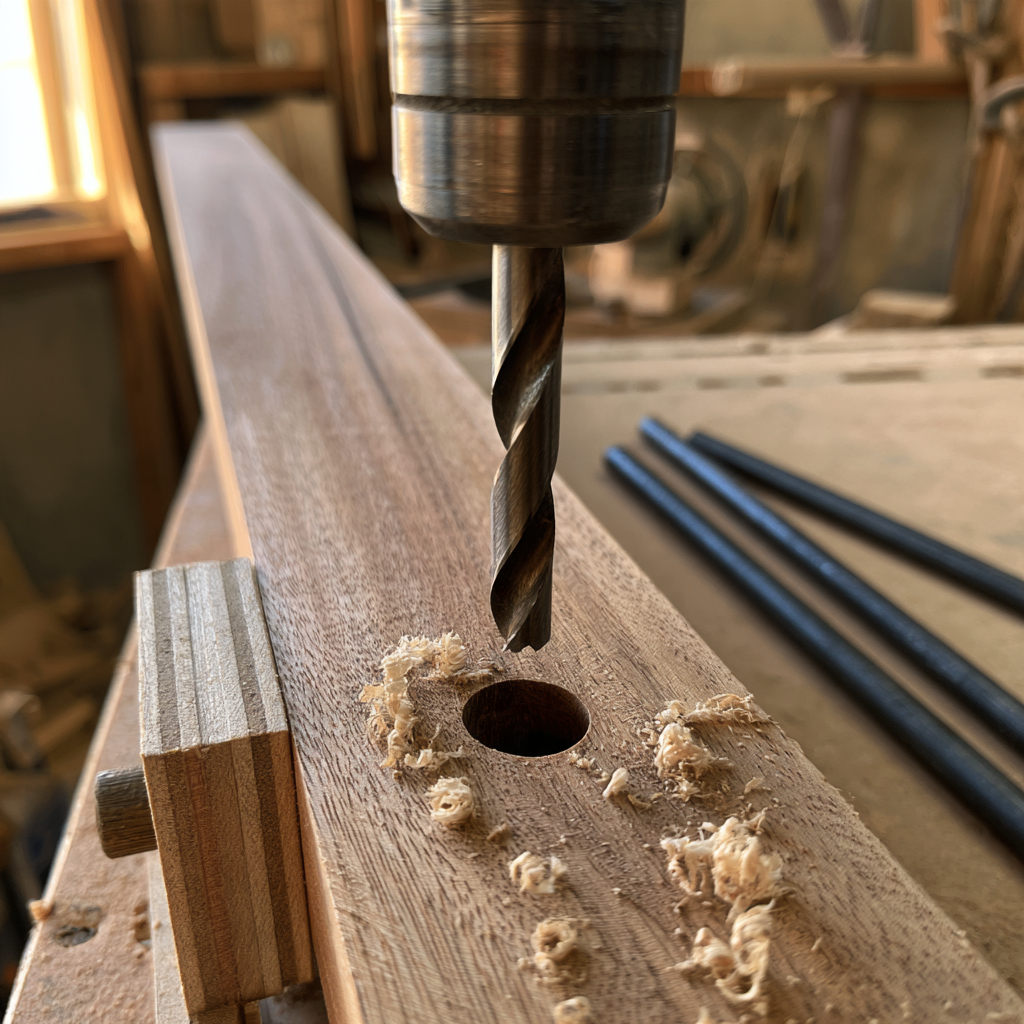
Drill the rod housings
Bored on a jig off the back edge so the shelf sits tight to the plaster with no packing.
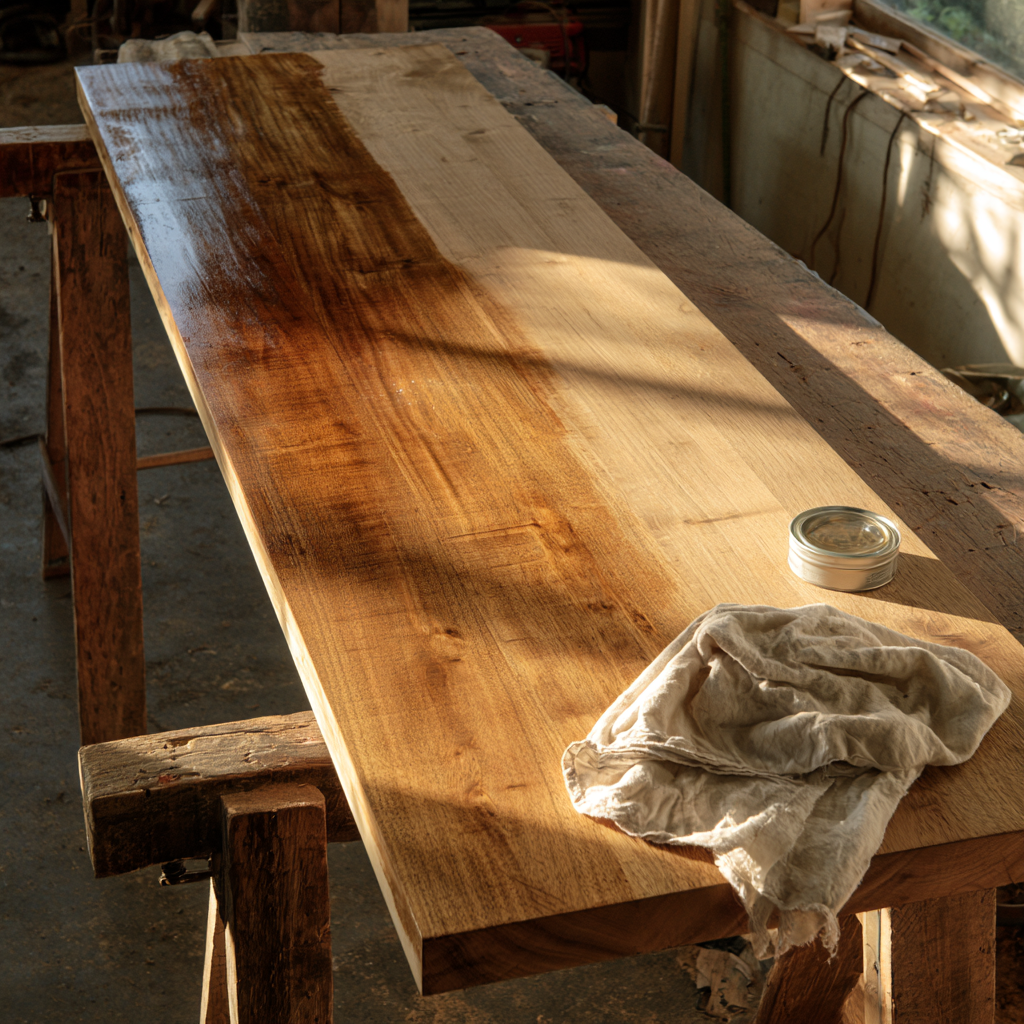
Oil both faces
Two coats of hardwax oil top, bottom, edges and inside the housings, cut back between coats.
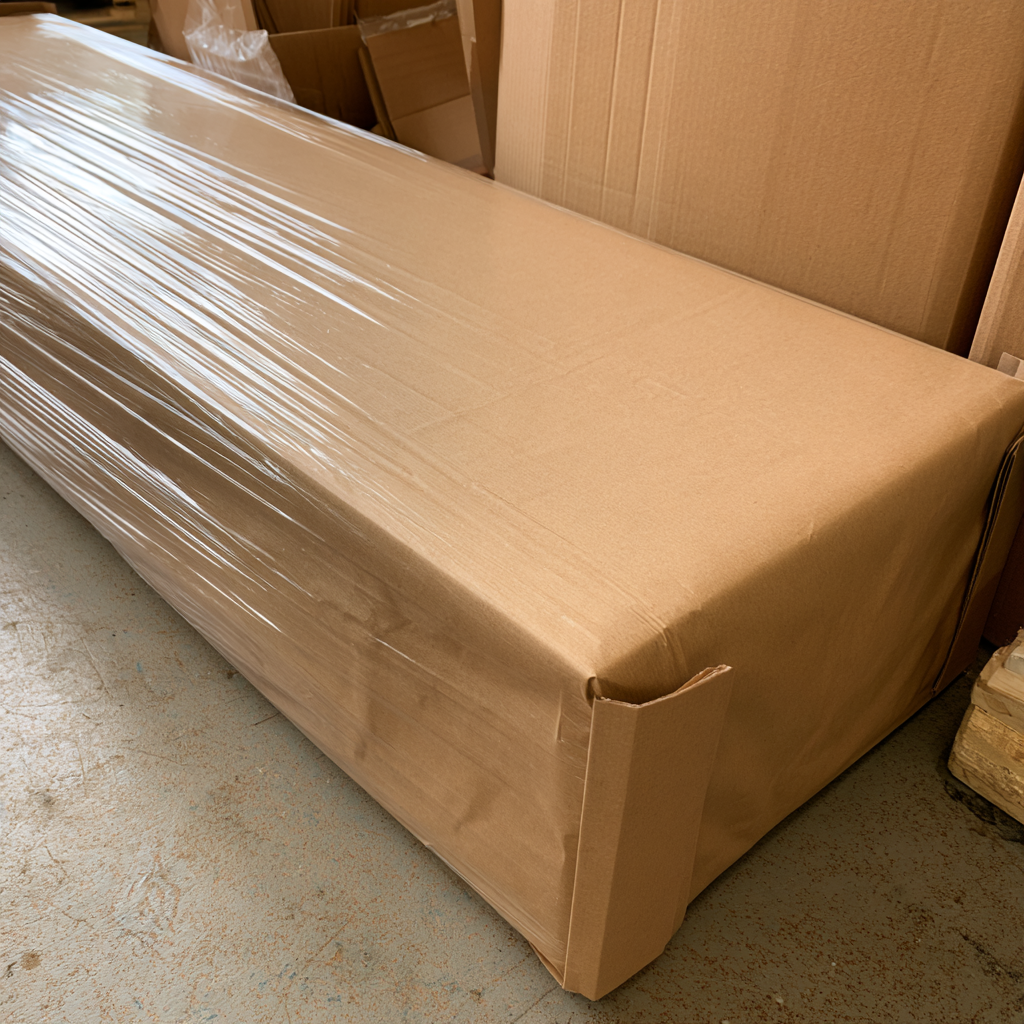
Pack
Corner protectors, wrapped, boxed, hardware and fitting guide in with it. Branding iron mark underneath.
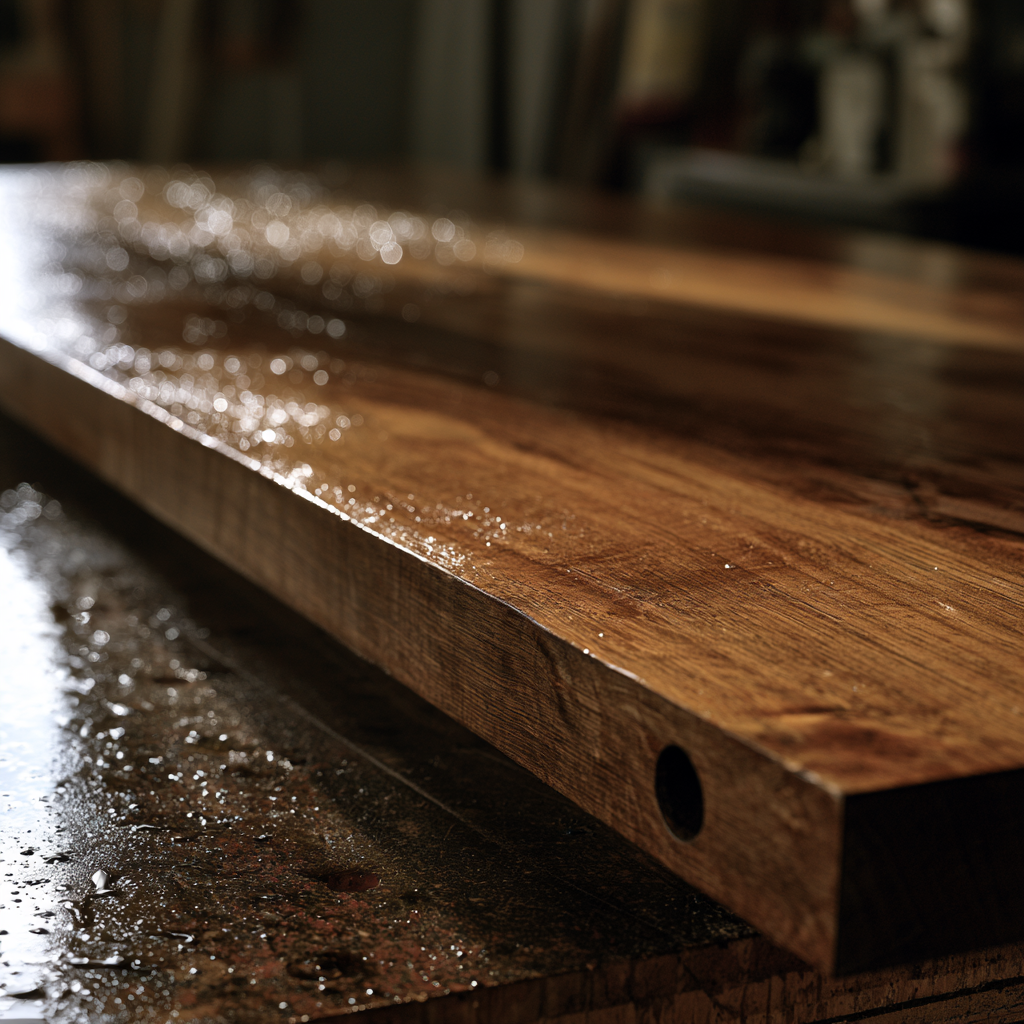
We oil both faces, including the one nobody sees.
A shelf cups when one face takes on moisture faster than the other. Finish the top and leave the underside bare and the timber pulls itself into a curve within a season — which is why cheap shelves lift at the ends.
Both faces, all four edges, and inside the rod housings get the same number of coats. It takes twice as long and it is the reason the shelf stays flat.
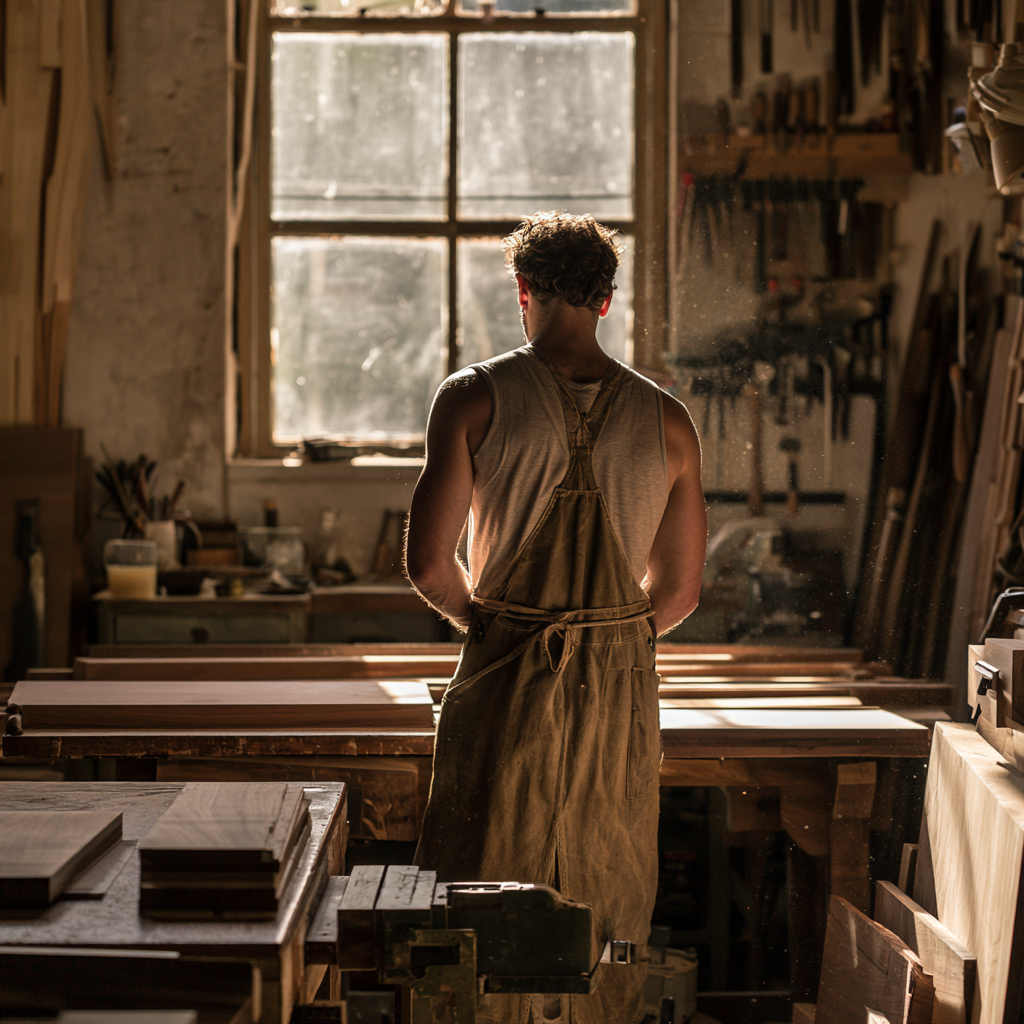
One carpenter, and nobody else.
Kerf is the shelving side of Lumas Construction, a building business in the ACT. Fifteen years of fitting joinery into other people's houses is where the fixing advice on this site comes from.
Sitting inside a building company is why the batch is small and why it will stay that way. It also means there is one person to email, and that person made your shelf.